The first settlers are believed to have arrived from Polynesia and some things I’ve read from as far as Taiwan (I think this was based on DNA testing) between 1200 and 1300 AD. They were quite wide ranging explorers.
Some traditions credit the explorer Kupe with discovering New Zealand.
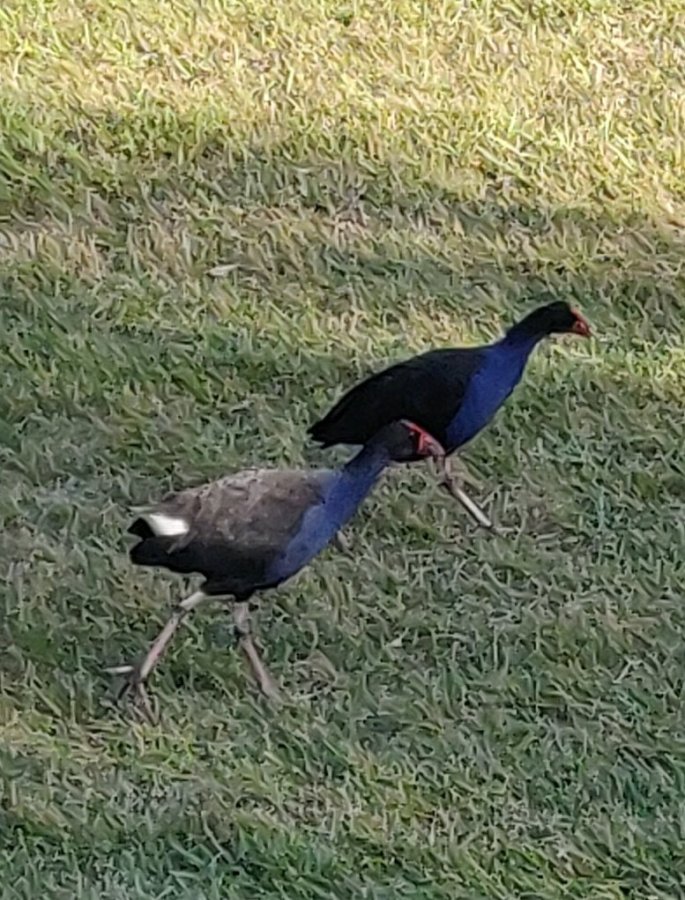
It is believed they brought the Swamp hen or pukeko to New Zealand in their boats and possibly other animals too.
Kupes wife Kuramarotini named the Islands Aotearoa, meaning “land of the long white cloud”. The Maori settled and thrived due to abundant food by way of plants and giant birds like the Moa. As the population grew and flightless birds diminished, tribes were formed to protect their resources
The Maori history was handed down by word and song.
When Abel Tasman a Dutch seafarer arrived in 1642, the first meeting with the Maori didn’t go so well, four of his crew were killed. So he sailed away..
127 years later Cooke arrives and after 3 attempts to make friendly contact ( one of the attempts killed a Maori) he eventually shows peaceful intention by kidnapping 3, when they fell out of their boat in a skirmish! Then by using a crew member from Tahiti who spoke a similar language and showering them with gifts he final got his message across!
Whalers and traders started coming to the Islands from Europe and America. They brought all kinds of useful stuff like writing, disease and guns. The latter causing a tribal war in the early 1800s in which about 20,000 Maori were killed.
1840 when the Treaty of Waitangi was signed, which was an agreement between the British Crown and the Maori tribes to found a nation state and government. However, there is controversy surrounding this, due to European and Maori understanding of it. Translation was not exact between English and the Maori language. The English version, Maori had equality with British subjects but British had the rights of government. The Maori version promised chieftainship giving local rights of government.
The tensions increased as more Europeans arrived and wanted more land. The land wars began. The Maori lost there political independence in 1916 and went into decline.
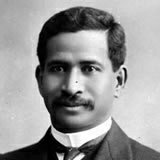
A few strong leaders like Apirana Ngata, brought Maori into parliament, formed the Maori Pioneer Battalion in WWI and the Maori Battalion WWII, initiated health, land tenure reforms and oversaw the restoration and building of meeting houses, thereby promoting Maori culture.
In 2013 census there were about 15% Maori.
Like I said before they are taking back their heritage, language and culture with pride and bringing it into the 21st Century. I think they have a long way to go though!
 The Travelling Bee