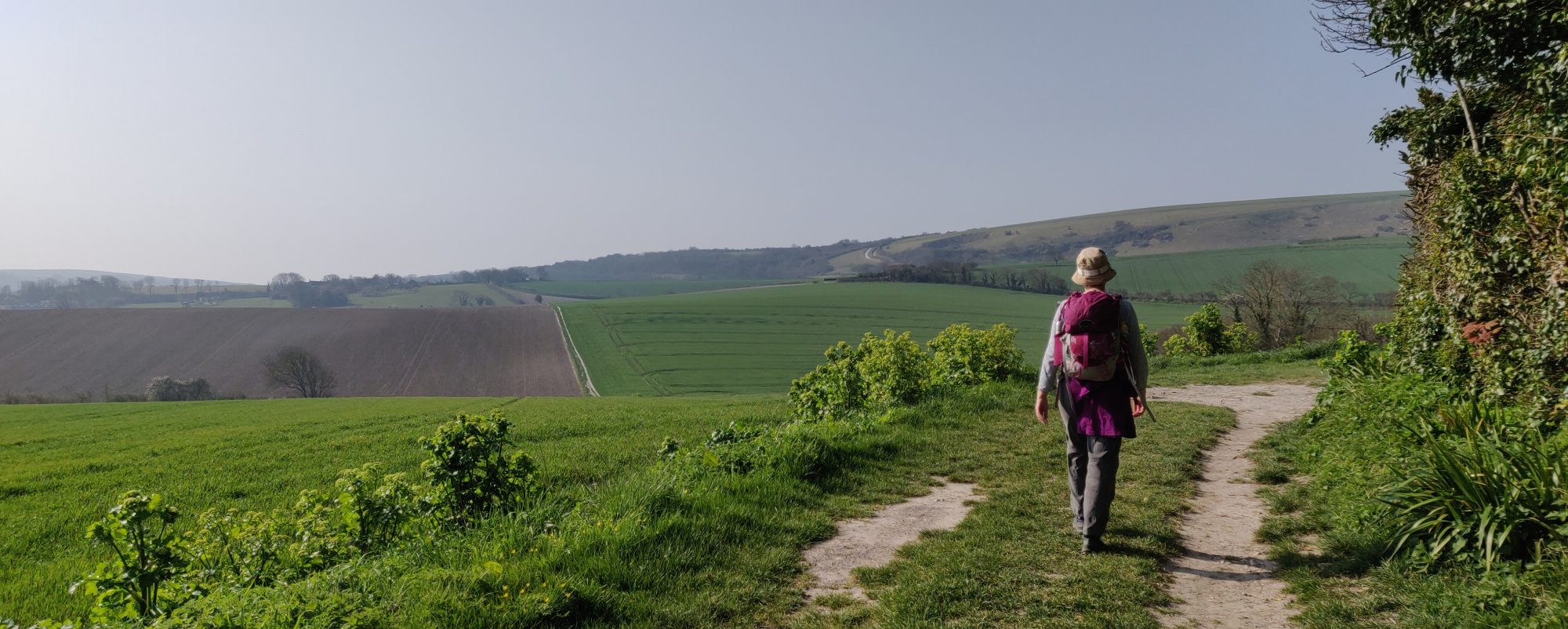
After collecting ‘Lucy’ our hire car, we set off inland across the mountains on the Gillies Range Road towards the Atherton Tableland.
The landscape is different to New Zealand, the hills are very high but smoother and somehow they look older but I cannot explain how. We are in the Wet Tropics and when I read about it there was volcanic activity here about 160 million years ago and it’s older than the Amazon by 80 million years! The vegetation is so varied, on the eastern side of the range, it is dryer and there are vast open forests of eucalyptus, the air was pungent with it. The road continues up and up through hairpin bends then as it descends on the west side the plants change to dense tropical rainforest with no Eucalyptus. Tropical plants are mostly a mystery to me, I can’t even place what niche they may fill in the environment. My only real contact with theses is as house plants and I’ve always manage to kill those!
What was really confusing to me was as we came out of the forest. We drove into a pastoral landscape and cattle country. It was hot like an English early summer, the meadow’s were lush and it looked like home but the trees were something alien, some with bright orange flowers or huge 40 foot clumps of bamboo, I’m guessing some of these are introduced. The verges have what I would consider bedding plants in the grass. There was a kind of ageratum and scaveola, the others I don’t know at all.
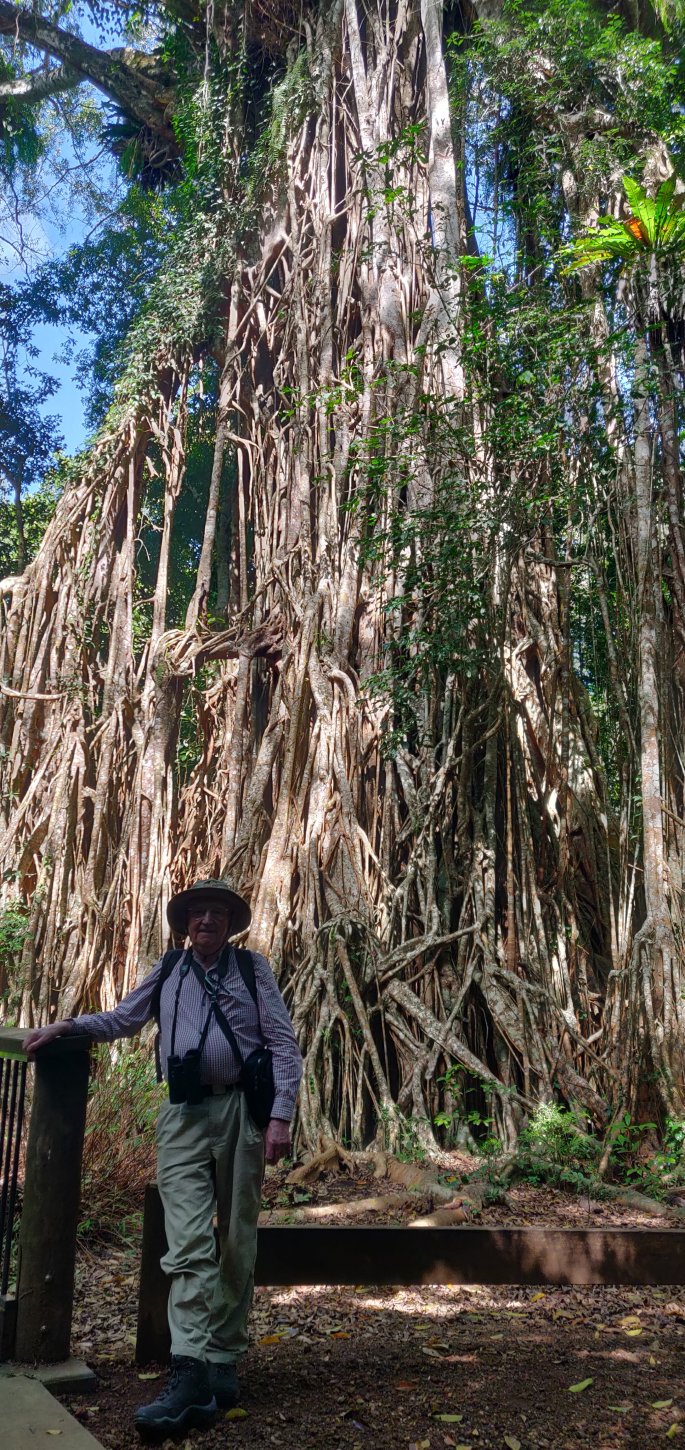
Anyway our first stop was in a tropical forest to see the Cathedral Fig Tree. A Strangler Fig, I recognise it as being similar to Ficus Bejamina the weeping fig we have as pot plants. This is a colossal tree that has a symbiotic relationship with a wasp and both are reliant on each other for reproduction. The tree seeds are deposited in the branches of a host tree and as it grows it winds and climbs around its host, then sends out and down Arial roots. The host eventually dies and low, the fig is free standing, a tree murderer in our midst!
It’s quite difficult birdwatching in rain forest, the canopy is high up and so are the birds. To add to this being evergreen the trees are constantly shedding leaves which attract your attention. Dad has difficulty looking directly upwards now and his eyesight is not so good either. Neither of us have any knowledge of many of the bird families so it’s a slow process to identify things we see. That said, we’re off to a cracking start by seeing a Brown Cuckoo dove and grey fantail (at least I knew that one).
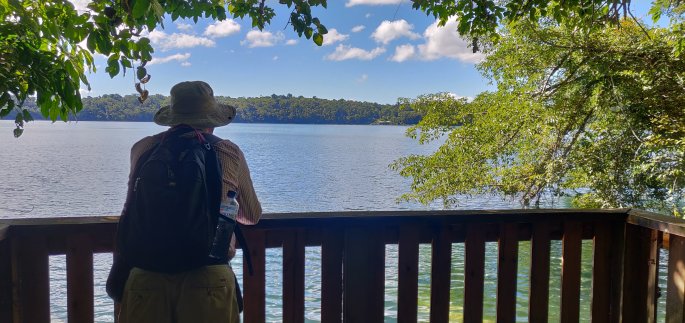
We headed to Lake Barrine which is a crater lake. Its in lush forest with crystal clear water. We stopped for tea and then did a 5K walk around the lake. Here we saw Australian Turkey, a flock of great crested Grebe (never seen them flock before) and Pacific Black duck.
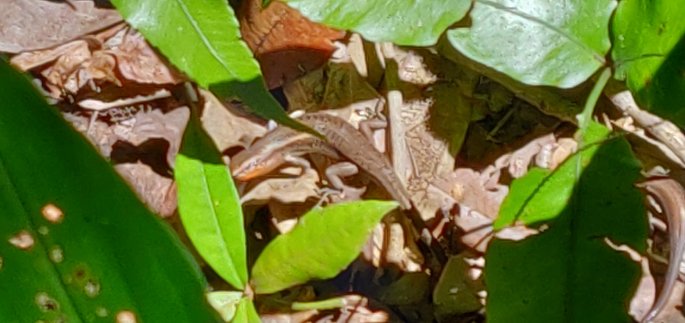
I saw a large (about 18 inches long) an unidentified lizard climbing a tree and small skinks with red heads.
We then headed to Yungaburra where we are staying for few days. Driving back through farmland we saw some Indian type cows, you know the sort with a hump on the neck. Well the scene was completed with both cattle and little egrets all very surreal!
Yungaburra is a beautiful village and we’re staying at the Kookaburra Lodge which is surrounded by stunning gardens.
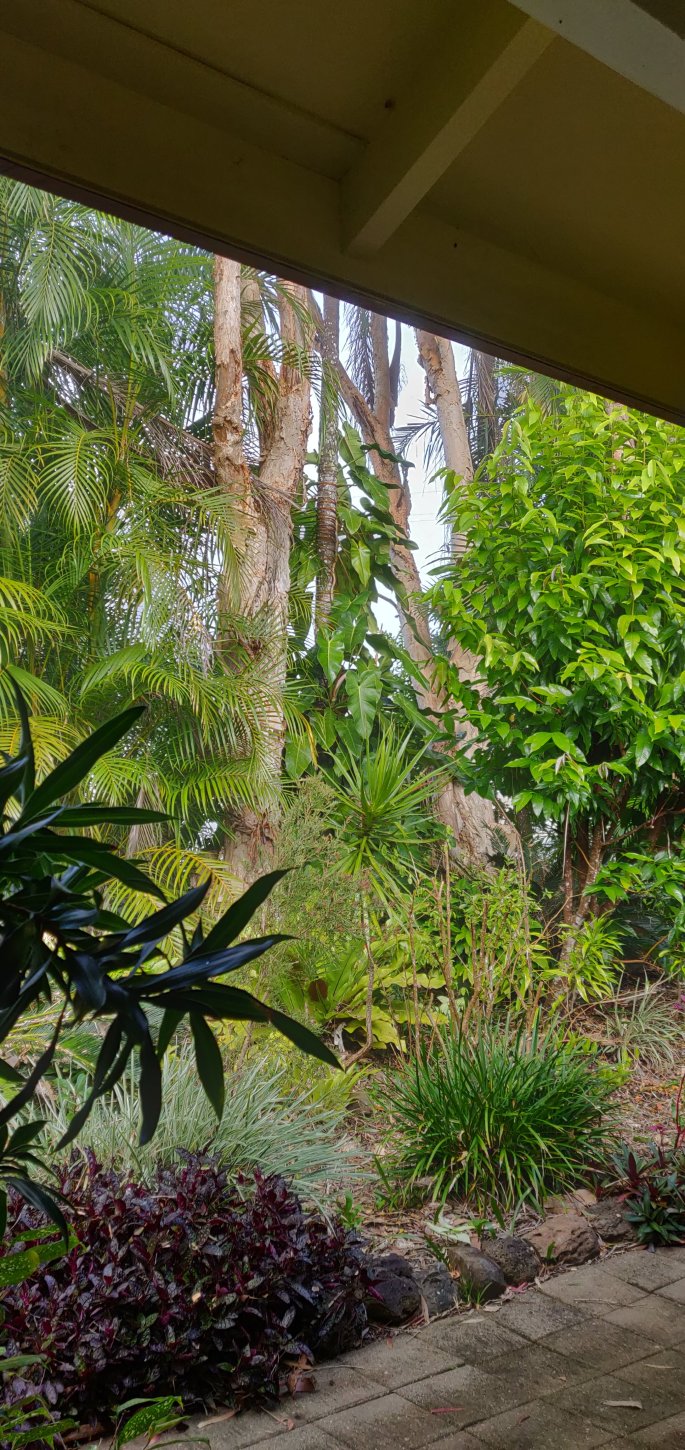
Even locally the bird watching was good, in total we had 13 species we could identify.
We were exhausted and headed to the Yungaburra hotel for dinner. The sky was full of stars as we walked back listening to a barking owl. I’m sure an onlooker thought we were drunk when I nearly lost Dad as he stepped of the exceptionally deep kerbs they have here!
 The Travelling Bee
Looks as if you are having a very interesting time. No more Chinese to annoy Dad? He is very fit but he can be doddery! Keep a hold of him before he disappears “down under!”
LikeLike
That made Dad laugh! Thanks Anne
LikeLike